How Event Planners Manage Hundreds of Vendor Contacts Without the Chaos

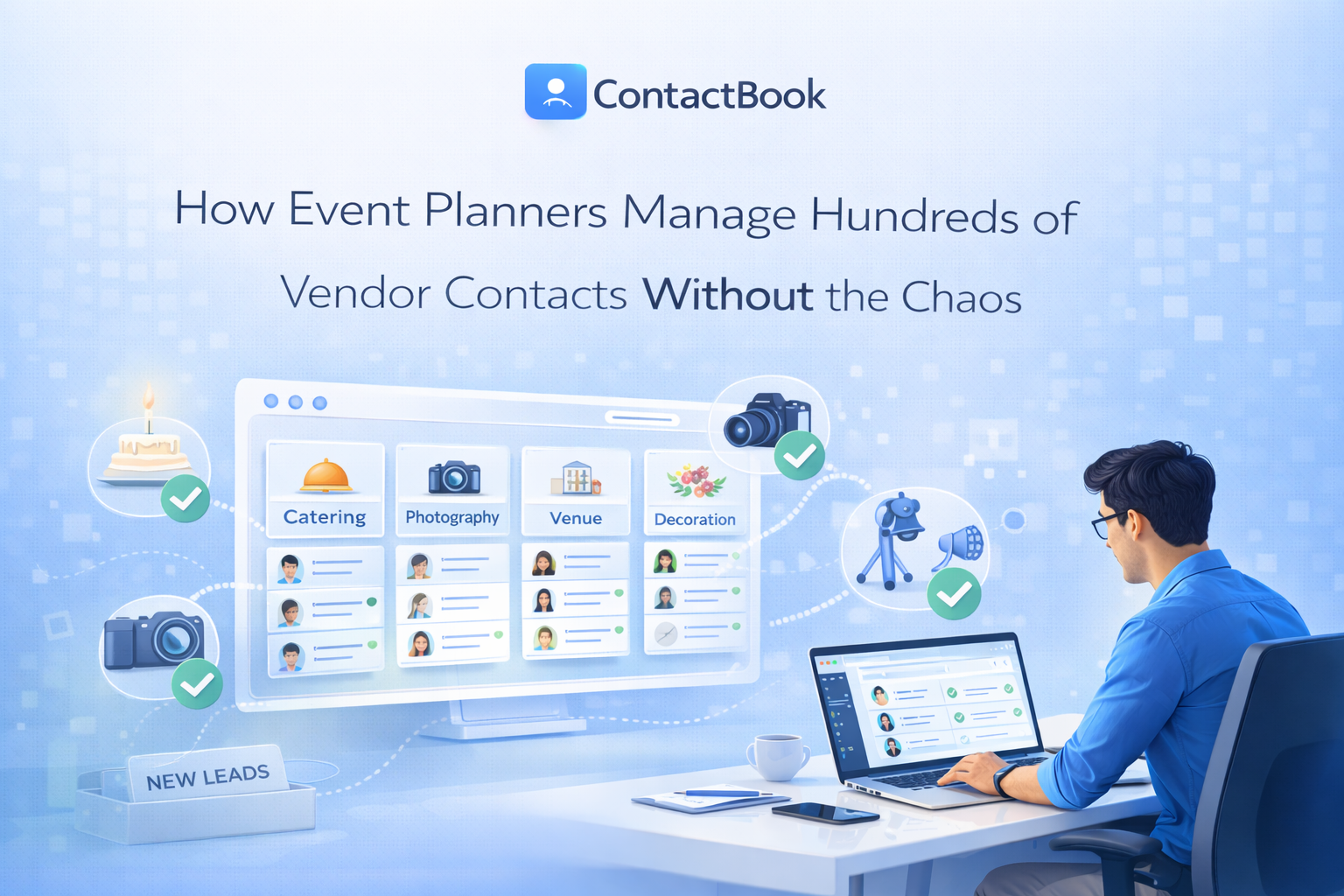
Planning an event is a complex process that involves coordinating multiple moving parts. Behind every successful wedding, corporate conference, festival, or private celebration is a network of vendors working together to bring the event to life.
Event planners often collaborate with caterers, decorators, photographers, venue managers, entertainment providers, transportation services, and many other suppliers. As planners grow their network, they may end up managing hundreds of vendor contacts at the same time.
Without a proper system, keeping track of all these contacts can quickly become overwhelming. Phone numbers are saved in personal devices, emails get buried in long threads, and spreadsheets become outdated. When important vendor details are scattered across different tools, finding the right contact at the right moment becomes a challenge.
Successful event planners avoid this chaos by organizing their vendor contacts in a structured way. By maintaining a centralized system for managing suppliers, they can coordinate events more efficiently and maintain strong vendor relationships.
Why Vendor Contact Management Is Challenging for Event Planners
Event planning involves working with many different types of suppliers. Unlike other industries where the contact list may stay relatively stable, event planners constantly interact with new vendors and update their network.
Several factors make vendor contact management difficult.
Large Number of Vendors
Every event requires a unique combination of vendors. A wedding might need a florist, photographer, makeup artist, caterer, and DJ, while a corporate conference may involve staging teams, AV technicians, security providers, and transportation companies.
As planners handle more events, their vendor network continues to grow. Managing these contacts without an organized system can quickly become confusing.
Contacts Spread Across Multiple Platforms
Many planners store vendor details in different places such as:
- Phone contacts
- Email inboxes
- Messaging apps
- Notes or documents
- Spreadsheets
When information is scattered across several platforms, finding a specific vendor can take unnecessary time and effort.
Frequent Event Changes
Events rarely go exactly as planned. Vendors may change availability, schedules might shift, or last-minute adjustments may require contacting alternative suppliers.
Having quick access to vendor contacts becomes essential when time-sensitive decisions need to be made.
Multiple Team Members Involved
In larger event planning teams, different coordinators may handle different vendors. Without a shared system, team members may not know who is responsible for communicating with specific suppliers.
This can lead to confusion, duplicate communication, or missed updates.
What Happens When Vendor Contacts Are Disorganized
Disorganized vendor contacts can create several problems for event planners.
Lost Time Searching for Information
When vendor details are buried in emails or scattered across documents, planners waste valuable time searching for contact information.
Communication Delays
In event planning, timing is critical. Delays in contacting vendors can slow down decision-making and coordination.
Duplicate Vendor Outreach
If multiple team members reach out to the same vendor without knowing it, it can create confusion and appear unprofessional.
Losing Valuable Vendor Relationships
Trusted vendors are one of the biggest assets for event planners. If their contact information is not maintained properly, planners may lose touch with reliable suppliers.
Increased Stress During Event Execution
On event day, planners need quick access to vendor contacts. Disorganized contact lists can add unnecessary stress during already busy moments.
How Successful Event Planners Stay Organized
Experienced event planners understand the importance of maintaining an organized vendor network. Instead of relying on scattered tools, they implement systems that make vendor information easy to access and manage.
Here are some of the strategies they use.
Maintain a Centralized Vendor Contact List
The most effective way to manage vendor contacts is by storing them in a single, organized location. A centralized contact list allows planners to access vendor information quickly without searching through multiple tools.
When the entire team uses the same system, everyone can find the information they need instantly.
Categorize Vendors by Type
Grouping vendors into categories makes it easier to find specific suppliers.
Common vendor categories include:
- Venues
- Caterers
- Photographers
- Decorators
- Entertainment providers
- Transportation services
- Audio and visual teams
Categorization allows planners to quickly identify available vendors for each event requirement.
Use Tags or Labels for Better Organization
Tags help planners organize vendors based on additional characteristics.
For example, vendors can be tagged as:
- Luxury events
- Budget-friendly
- Destination weddings
- Corporate events
- Outdoor events
This makes it easier to filter vendors based on event needs.
Keep Notes About Each Vendor
Not all vendor information fits into basic contact fields. Notes can help planners remember important details such as:
- Pricing ranges
- Past collaboration experiences
- Reliability and responsiveness
- Preferred event types
These insights help planners choose the right vendor quickly.
Assign Vendor Responsibilities Within the Team
When multiple team members work on an event, it’s helpful to define who manages communication with each vendor.
This prevents duplicate outreach and keeps communication organized.
Benefits of Organized Vendor Contacts
When vendor contacts are well organized, event planning becomes significantly easier.
Faster Event Planning
Planners can quickly find trusted vendors without spending time searching through multiple lists.
Stronger Vendor Relationships
Maintaining organized contact records helps planners stay connected with reliable vendors and build long-term partnerships.
Better Team Collaboration
When vendor information is shared across the team, everyone stays informed and aligned.
Reduced Stress During Events
Quick access to vendor contacts helps planners respond to issues faster during event execution.
How ContactBook Helps Event Planners Manage Vendor Contacts
Many event planners rely on dedicated tools to organize their vendor networks more efficiently. Platforms like ContactBook provide a centralized place where teams can store and manage important contacts.
Instead of maintaining separate spreadsheets or personal contact lists, planners can use ContactBook to build a shared vendor directory.
With ContactBook, event planning teams can:
- Store all vendor contacts in one organized location
- Categorize suppliers using groups and tags
- Give team members shared access to vendor information
- Maintain a structured vendor database for future events
Having a centralized contact directory helps planners maintain consistency across events and ensures valuable vendor relationships remain accessible to the entire team.
Best Practices for Managing Vendor Contacts at Scale
As an event planner’s vendor network grows, maintaining organization becomes even more important.
Here are some best practices that help planners manage large vendor databases effectively.
Update Vendor Details Regularly
Vendor contact details may change over time. Periodically reviewing and updating records helps maintain accuracy.
Record Vendor Performance
After each event, note how the vendor performed. This information helps when selecting vendors for future events.
Maintain Separate Lists for Different Event Types
Different events require different suppliers. Maintaining separate groups for weddings, corporate events, or social gatherings can simplify planning.
Clean Up Duplicate Contacts
Removing duplicate records keeps the vendor database easy to navigate.
Share Vendor Information With the Team
When vendor contacts are accessible to the entire team, coordination becomes much easier.
Conclusion
Event planners work with a wide network of suppliers, and managing vendor contacts efficiently is essential for successful event execution. Without a structured system, vendor information can easily become scattered and difficult to manage.
By maintaining organized contact lists, categorizing vendors, and documenting important details, planners can simplify their workflow and reduce unnecessary stress.
Using centralized tools like ContactBook can further streamline vendor management by providing a shared space where teams can organize, access, and maintain their vendor networks.
With the right approach to contact organization, event planners can focus less on searching for vendor information and more on creating memorable events.

.png)


.svg)


.svg)